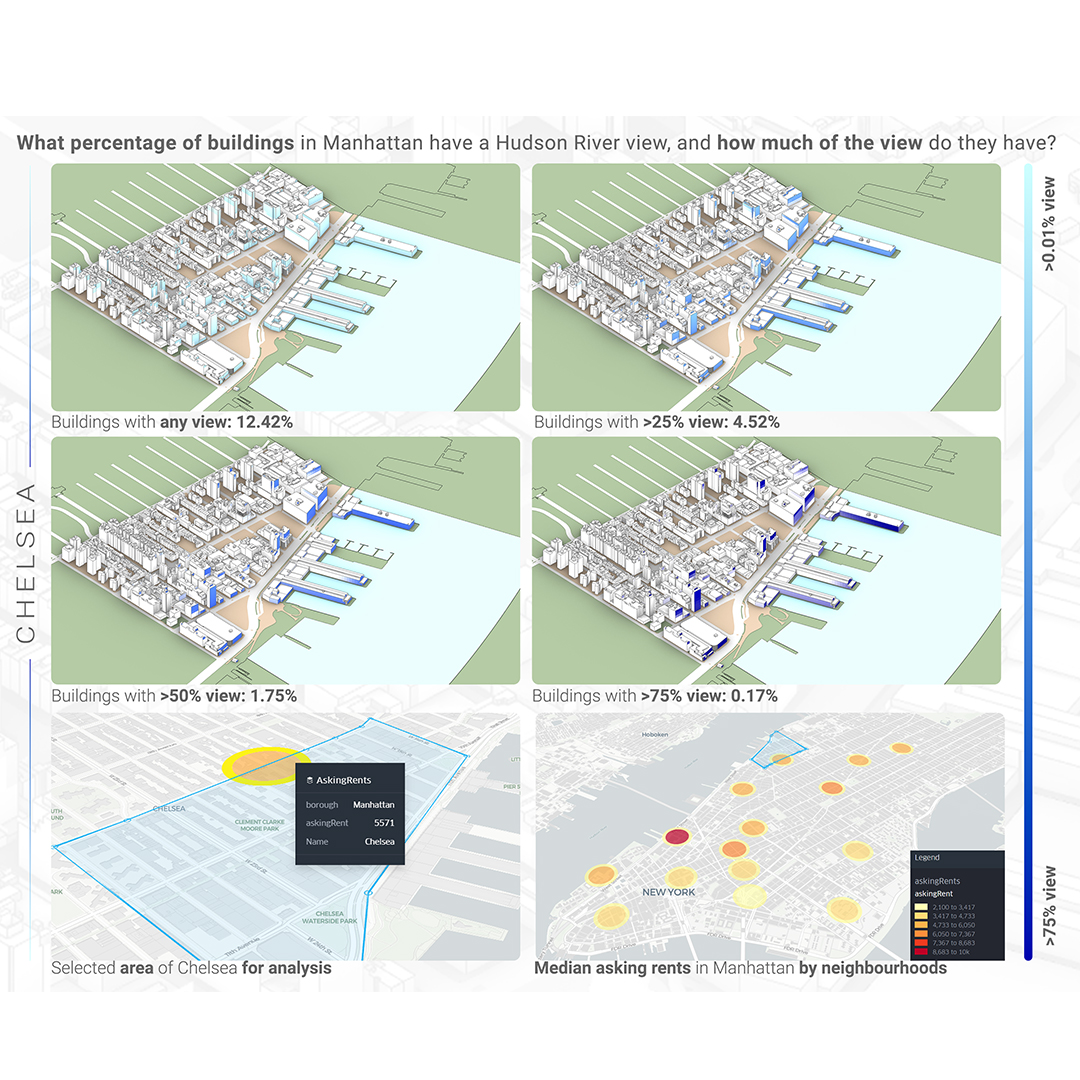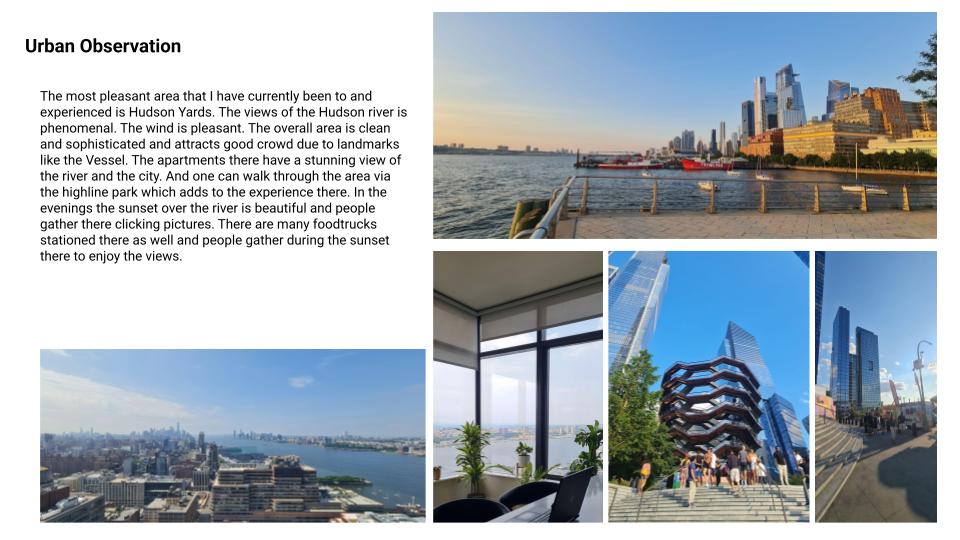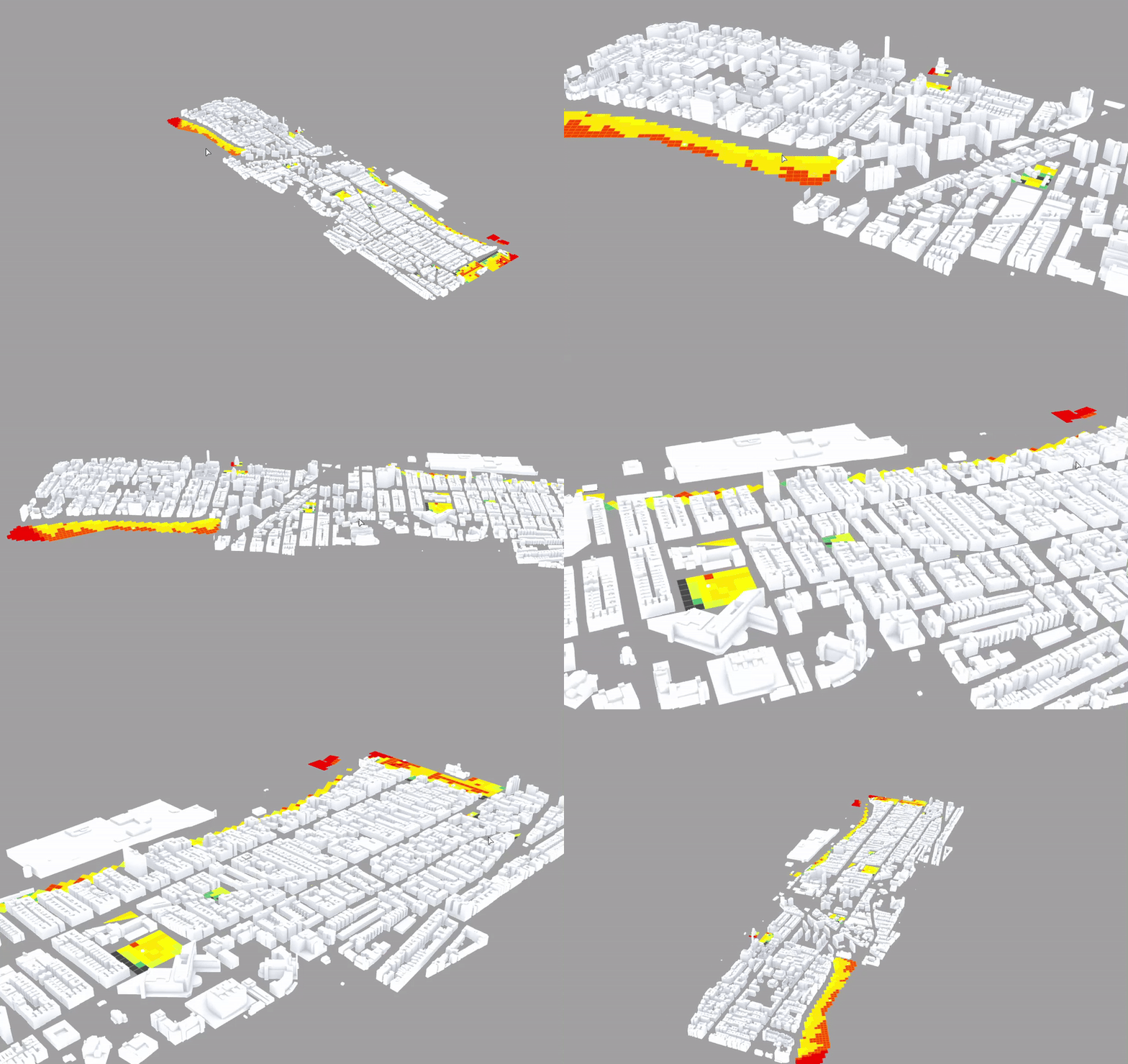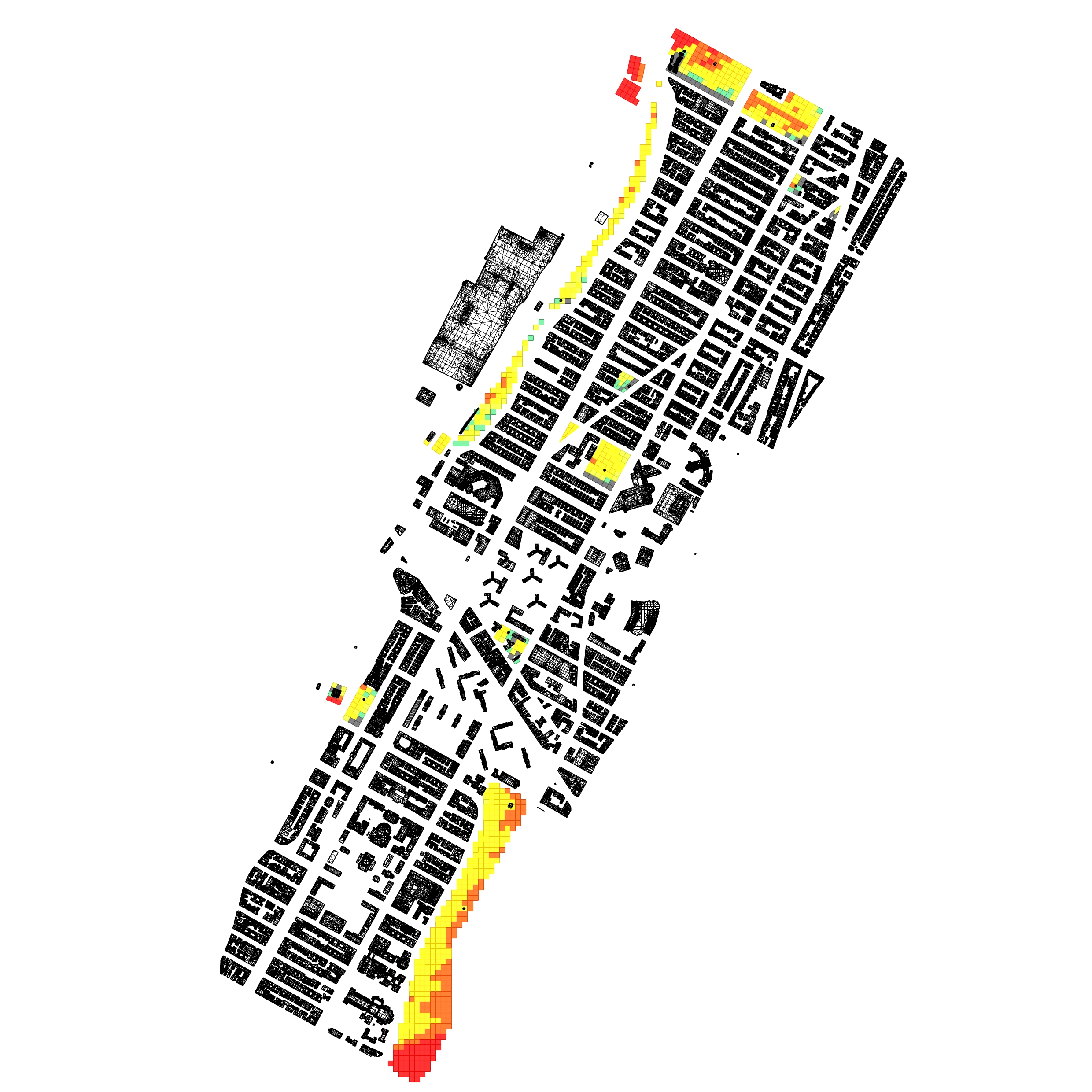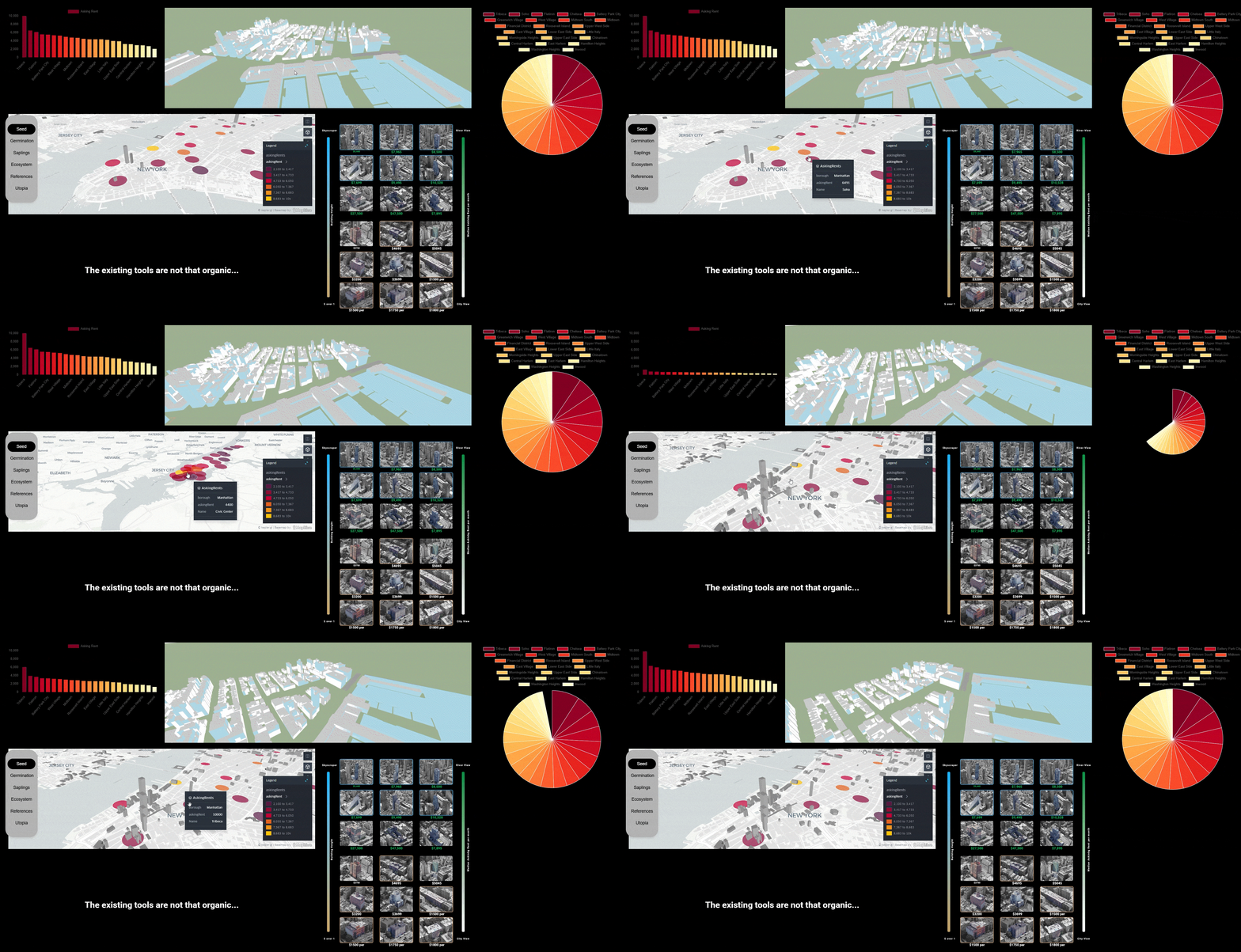
The idea came from an urban observation and hypothesis that the rental prices in Manhattan are influenced by the views of the Hudson River. For the final project, I developed a computational model to investigate the relationship between the Hudson River and rental prices in Manhattan. Leveraging spatial data and custom view analysis tools in Grasshopper, I examined a section of Chelsea to quantify the influence of river views on rental valuations. The project demonstrated how computational modeling can be used not only for generative design but also for targeted urban analysis grounded in real-world data.
Explore the interactive version of this project through the embedded viewer below.
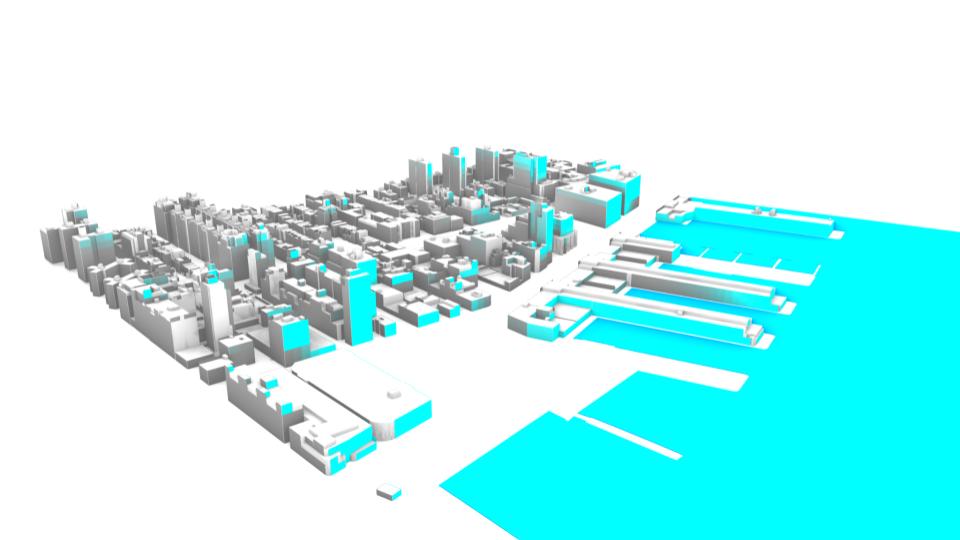
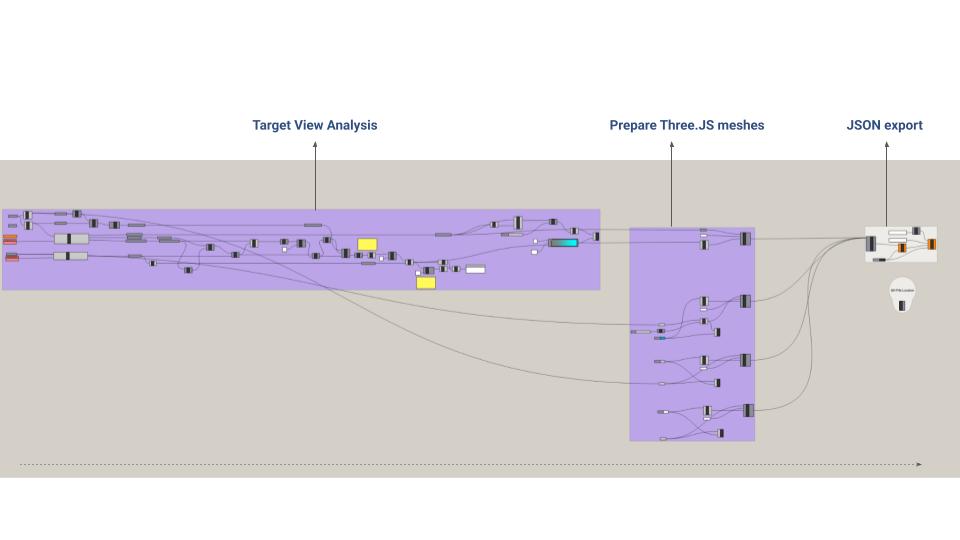
The process involved developing custom tool in Grasshopper to analyse the views of the Hudson River from the buildings in the area, quantify and visualise the data, and export geometry as Three.JS to embedd in the website. The rental data was sourced from Zillow and the spatial data was obtained from OpenStreetMap. I used python to clean the dataset and used Kepler.gl to create the interactive map, while visualising the data using a combination of Chart.js
Using Rhino and grasshopper as GIS tool to derive spatial relationships
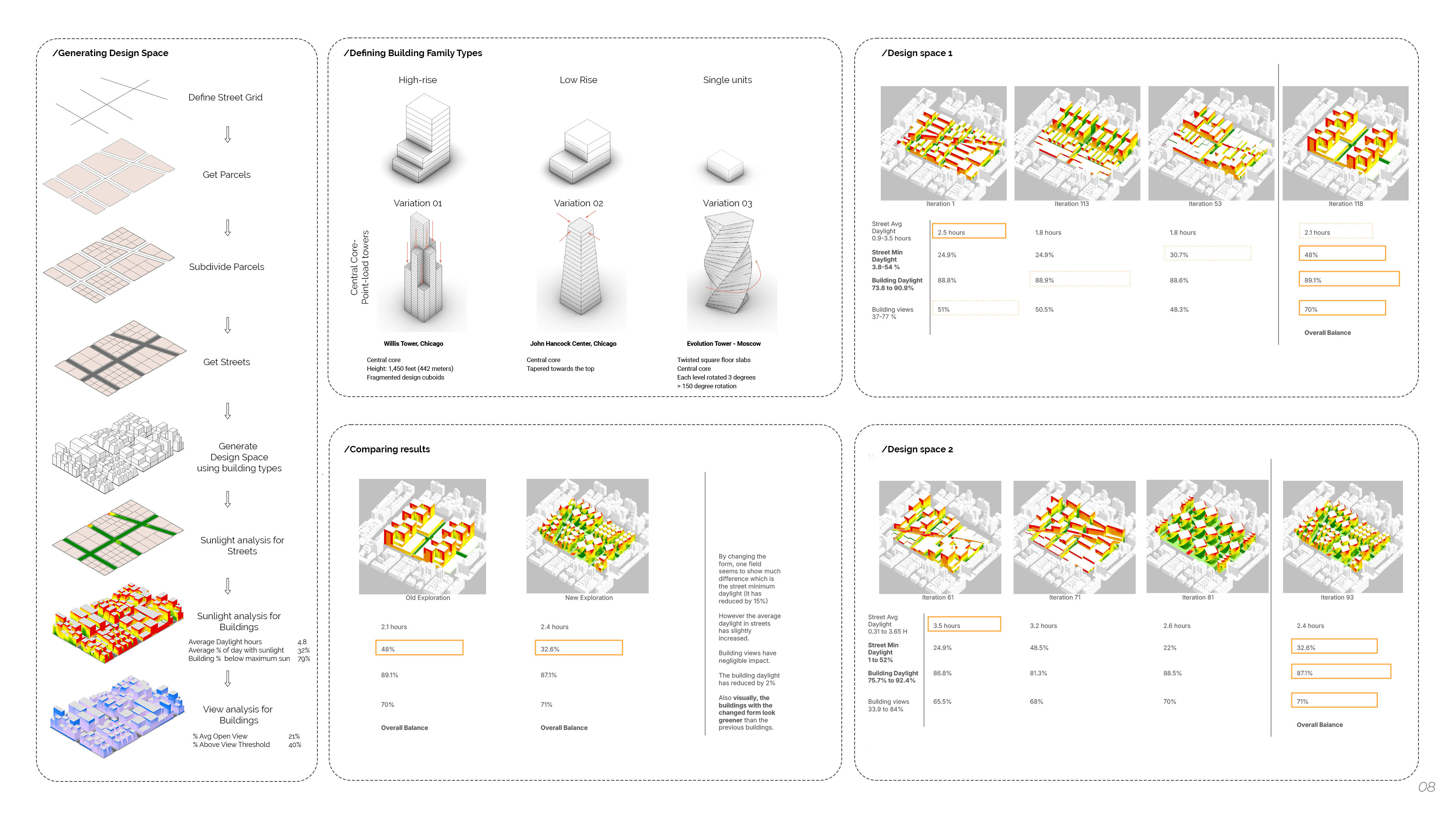
For this course, we built a parametric design space in Grasshopper—generating and exporting hundreds of massing options and their performance metrics—compiled the results into a structured CSV and color‐coded worksheet, analyzed form–performance trends to uncover how street grids and density distributions impact daylight and views, and distilled our findings into clear scenario-based design guidelines and a concise slide deck reflecting on our workflow, biases, and next steps.