TerraCurve Tower Project Main Image

TerraCurve Tower

Project Type Building Information Modeling (BIM)
Role Team - Manas Bhatia, Yilin Zheng, Yuxi Dai
Tools Used Rhino + Grasshopper
Course A4715‑1 / Fall 2024 / Re-Thinking BIM
Course Instructors Joseph Brennan
View Project Details
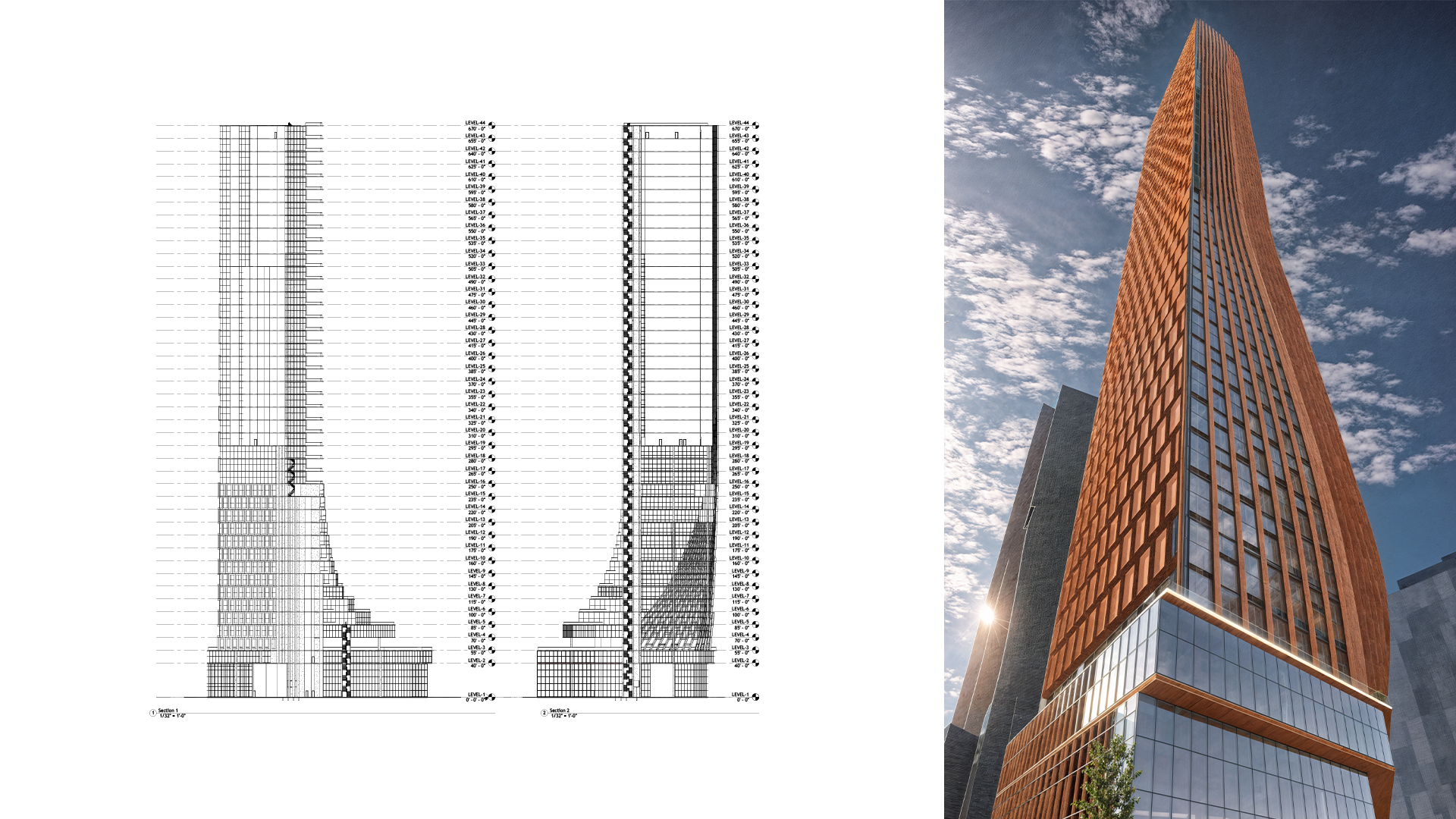
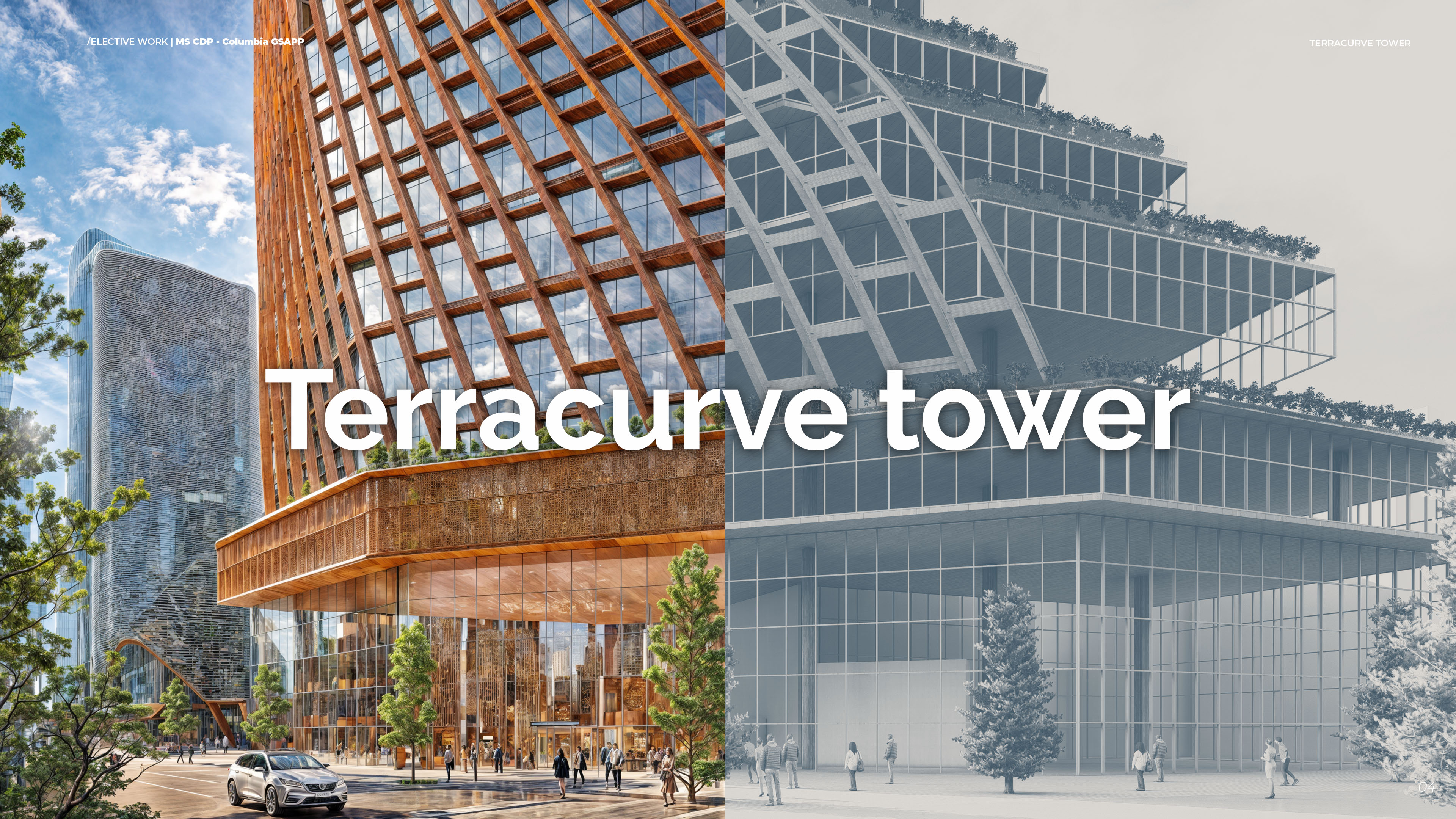
TerraCurve Tower is an architectural design project that reimagines the traditional skyscraper through the lens of computational design and sustainable materials, by exploring interoperability between Rhino and Revit to optimize the design process.

About

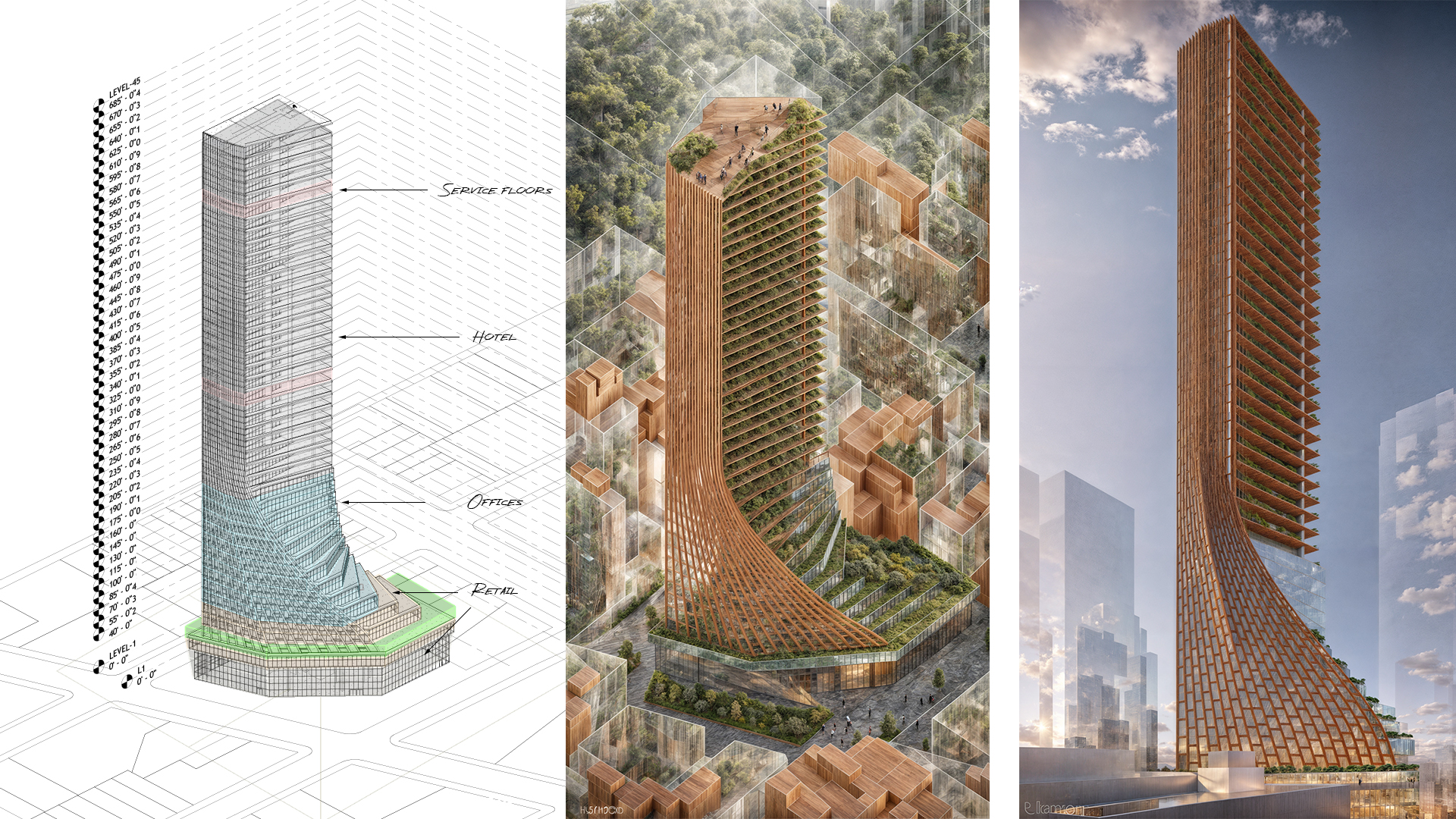
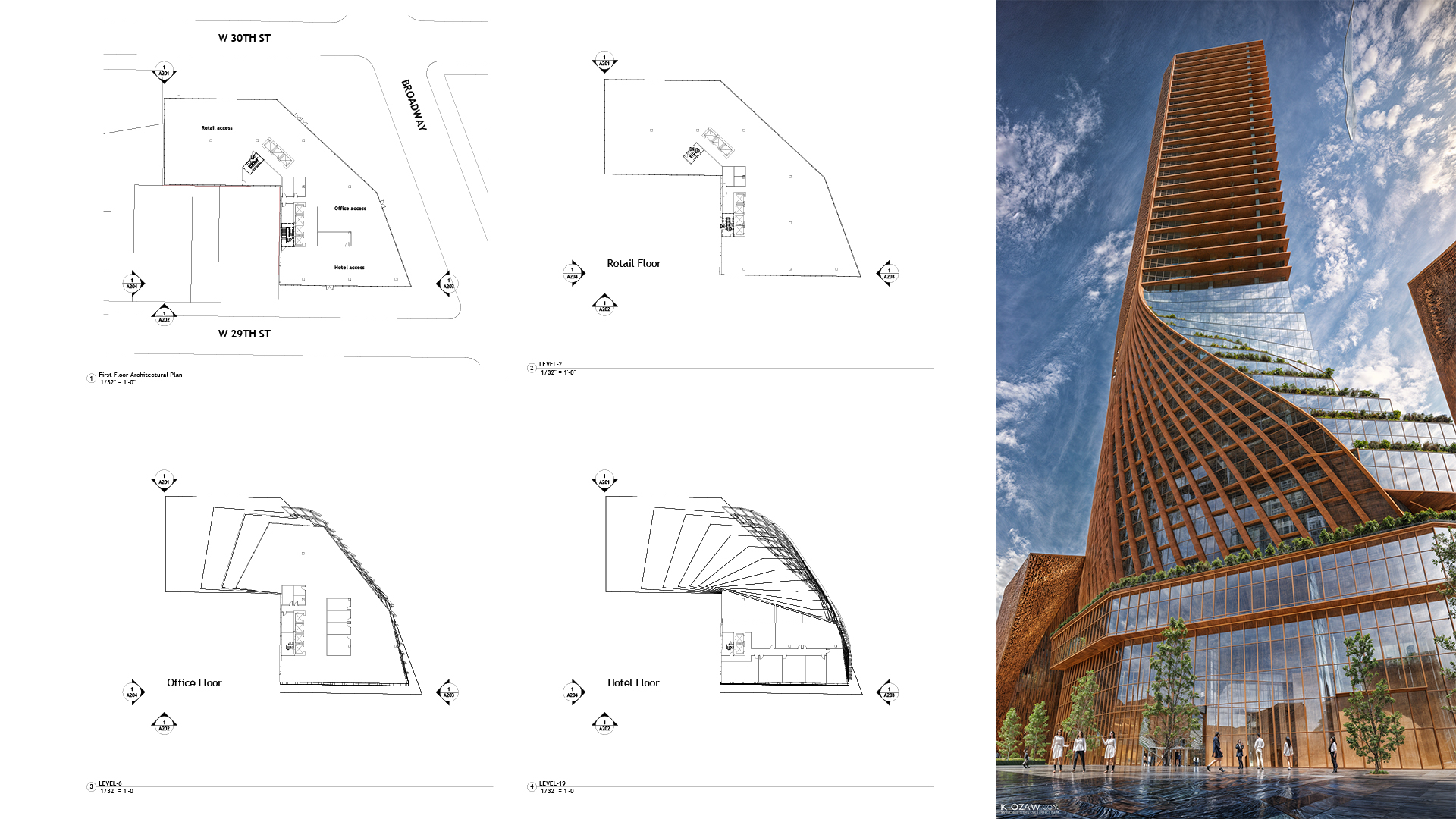
In the Rethinking BIM course. a mixed-use project was developed for the NOMAD neighborhood-a transitional area north of Madison Square Park and east of Penn Station-to address evolving urban needs. The project responded to a developer's brief to create a design that caters to workers. tourists, and local residents through a mix of creative office/light manufacturing. retail. and hotel components. while considering post-COVID patterns of work and travel.
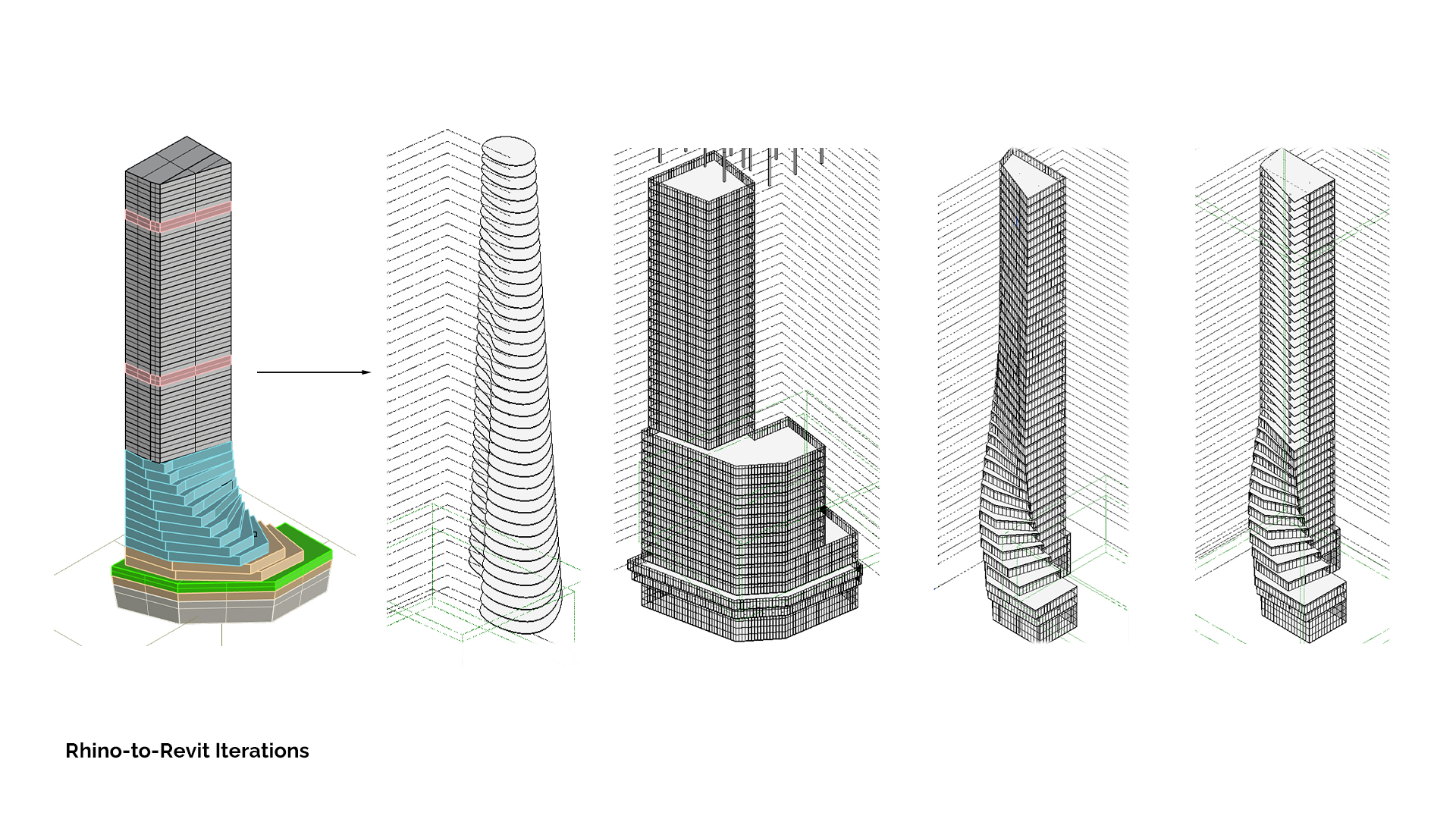
The project employed Rhino and Grasshopper for massing studies. facade design, and various analysis. transitioning to Revit using Rhino.Inside for precise drawings and documentation
Design Evolution

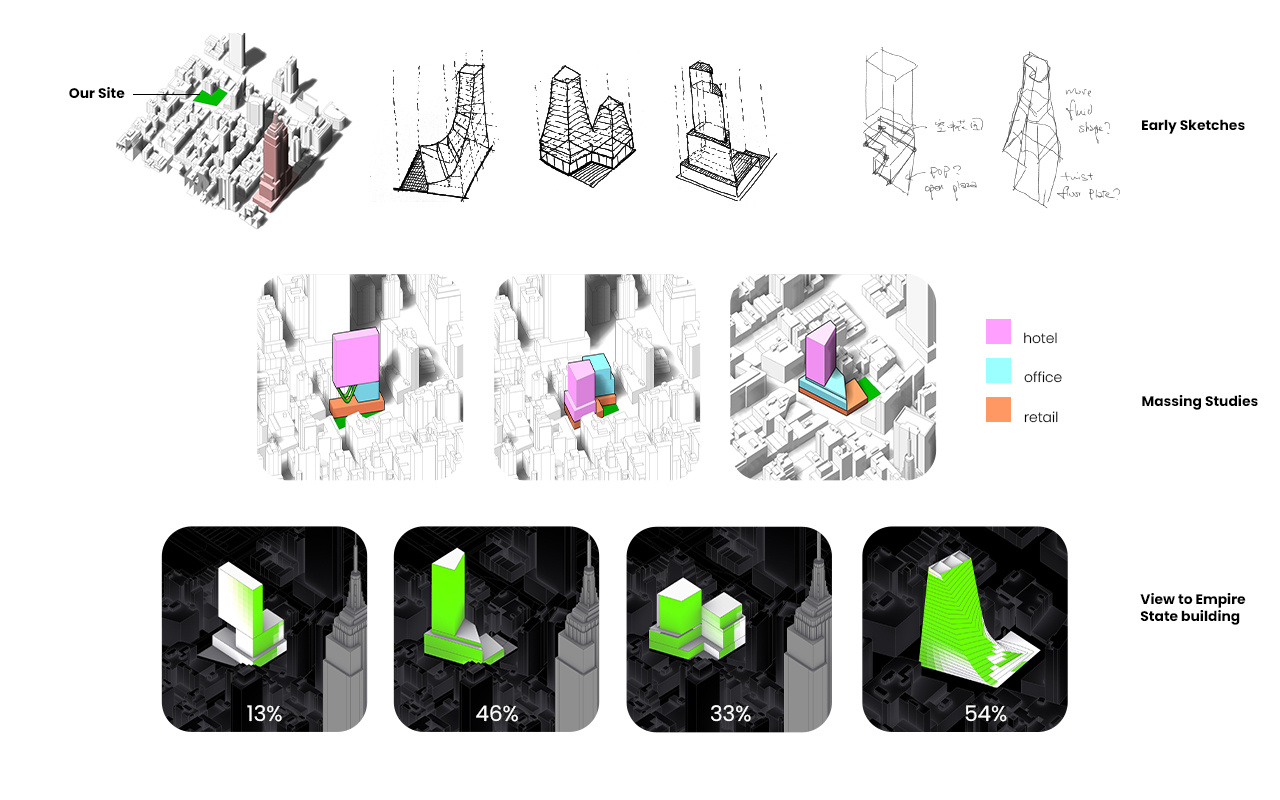
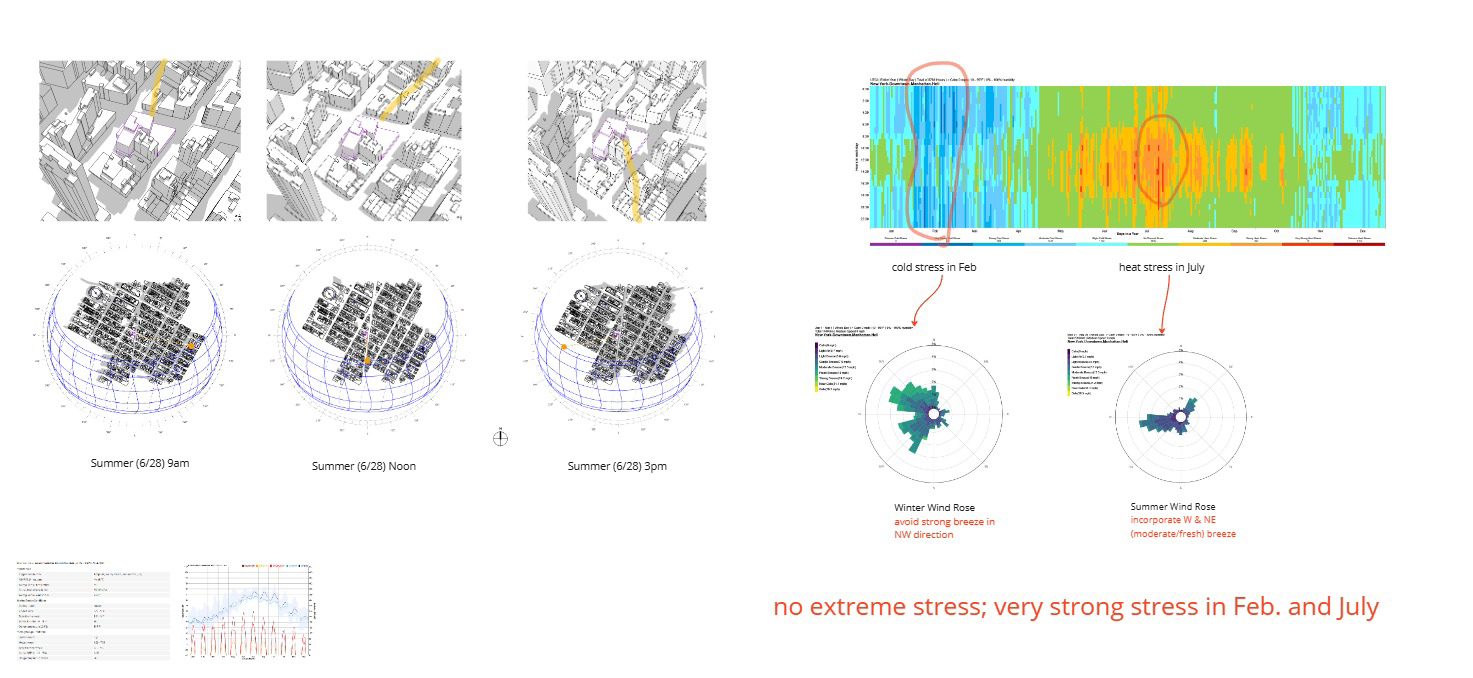
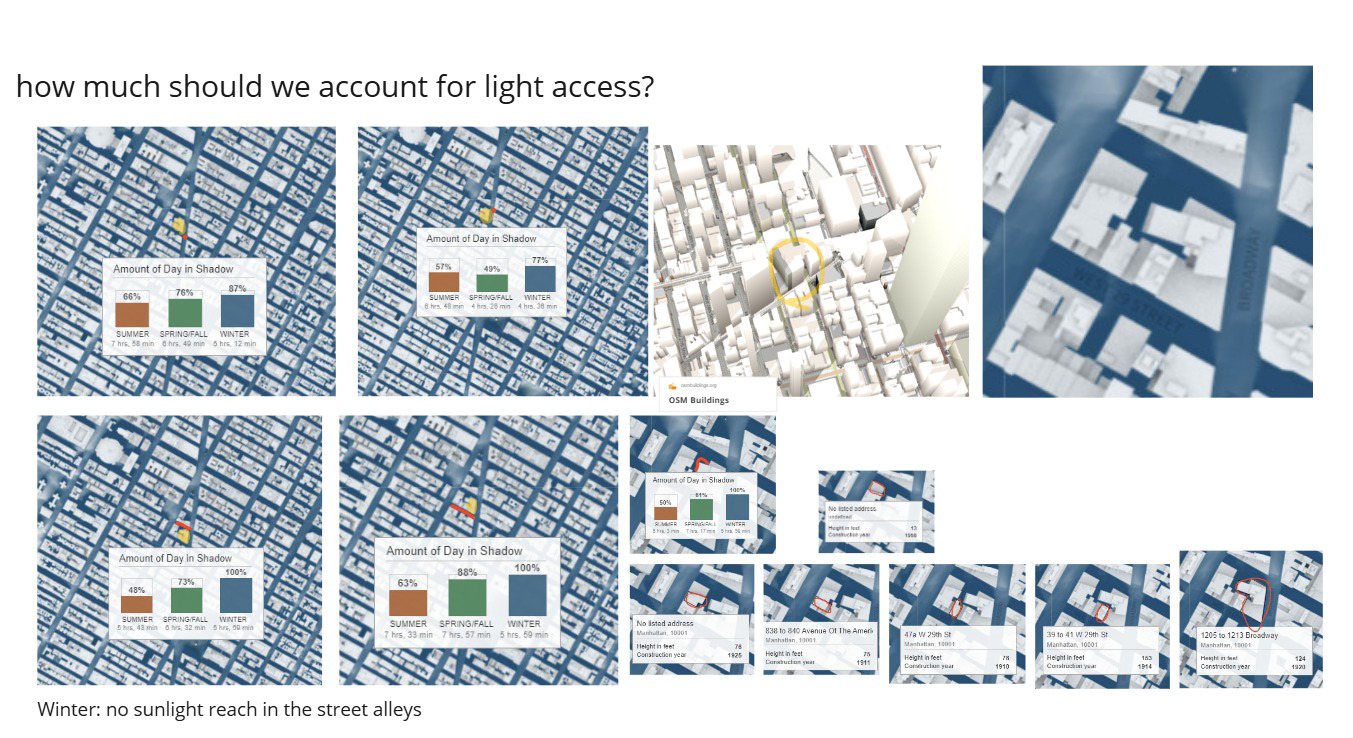
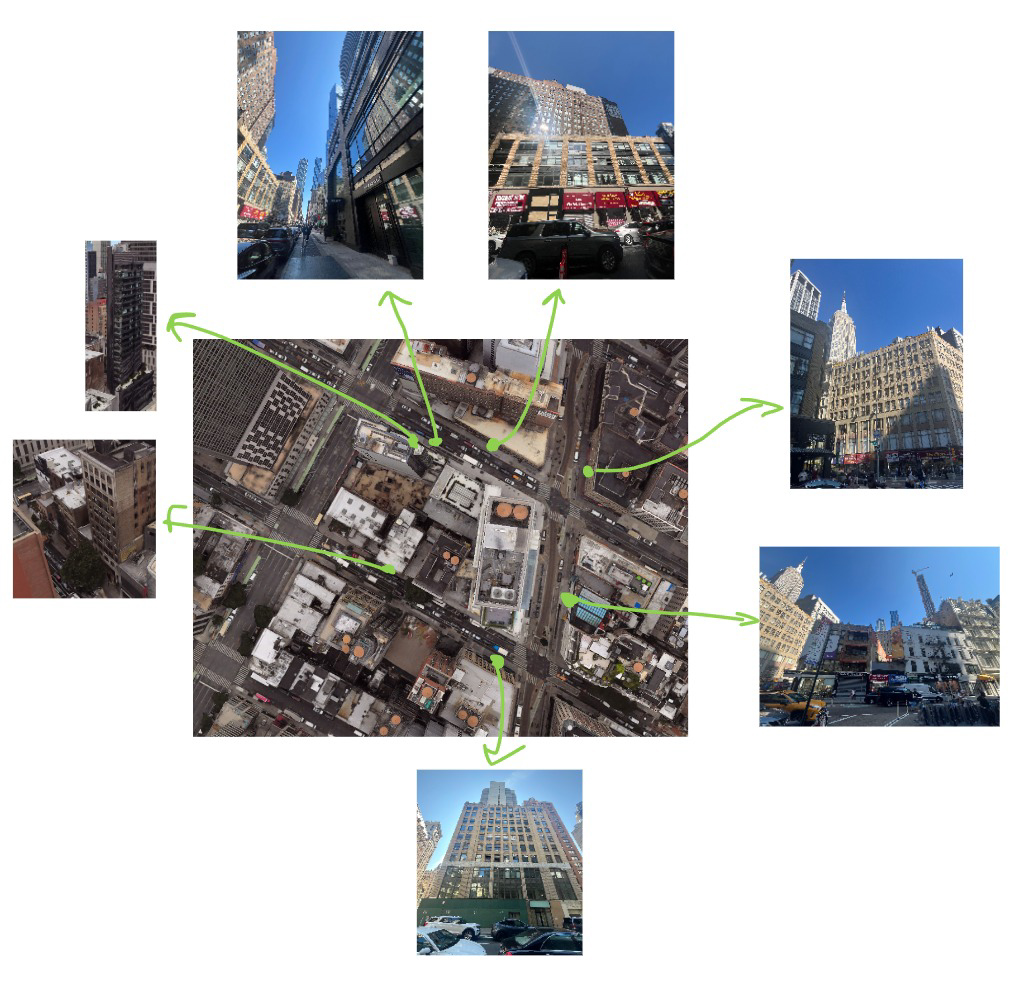
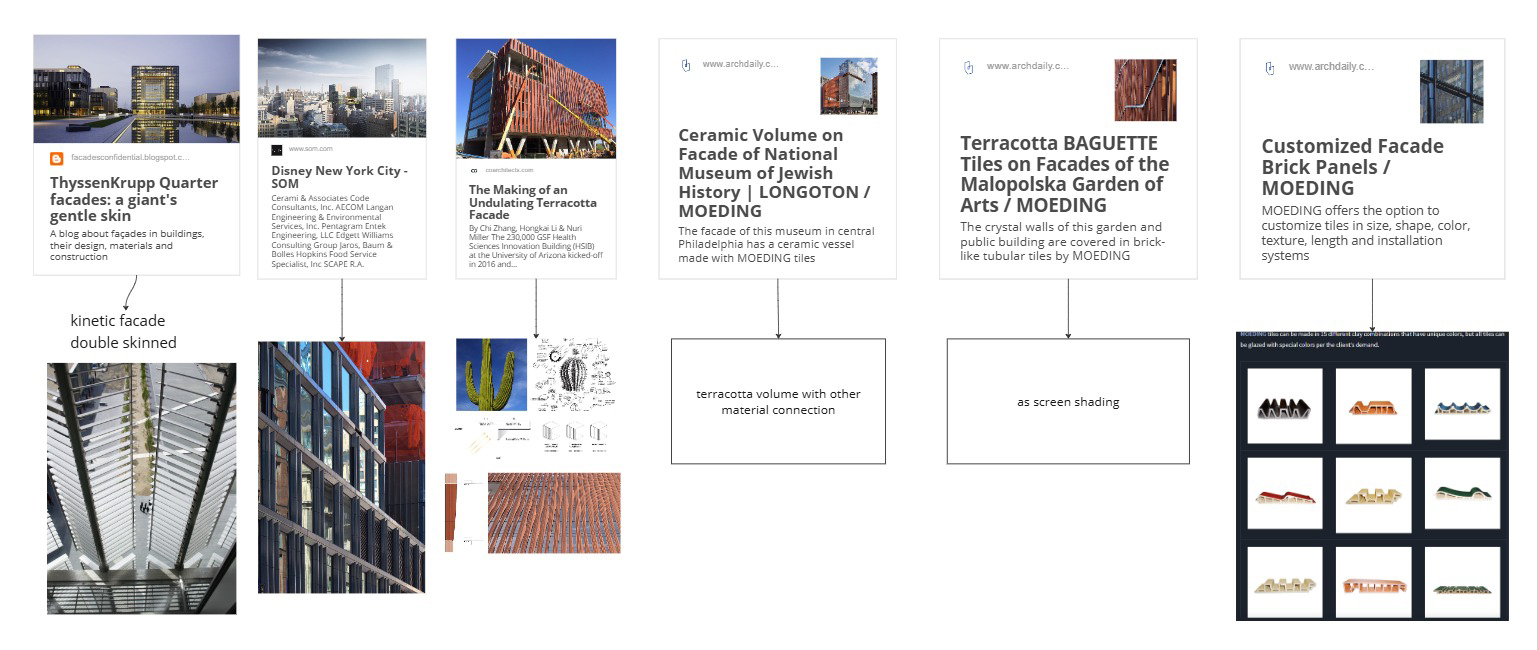
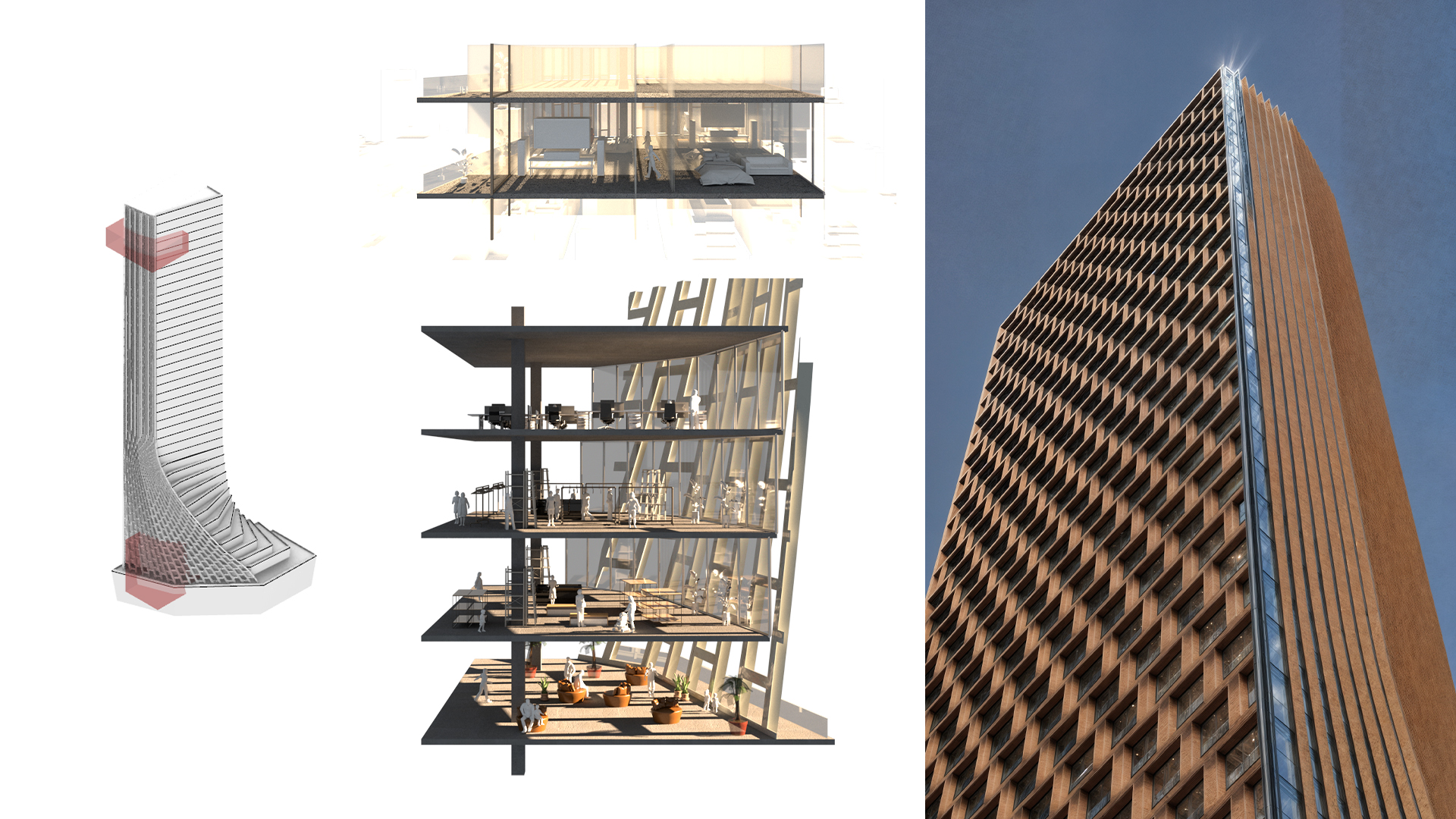
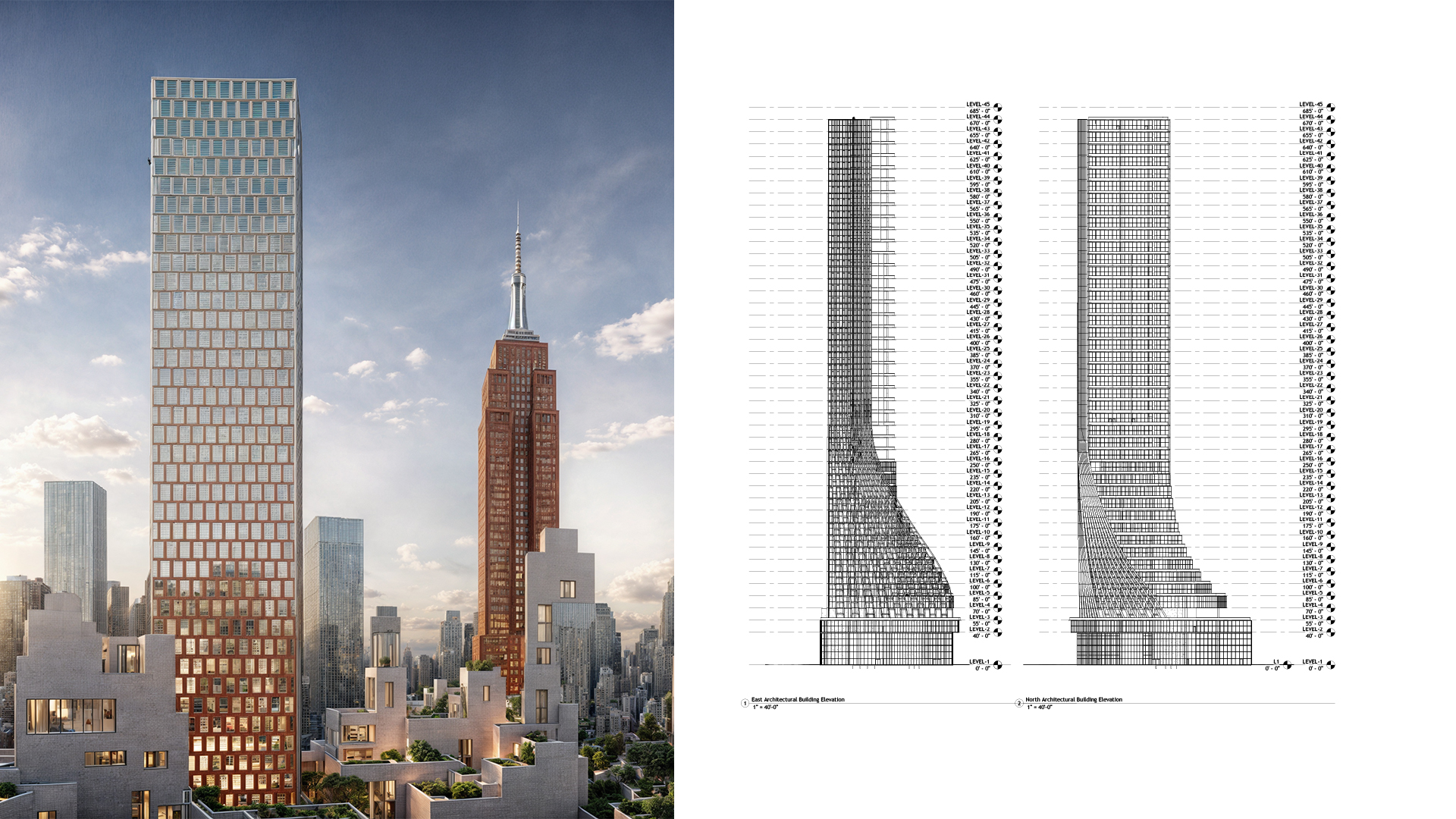
We began our design evolution with simple hand sketches that rapidly translated into a series of 3D massing studies in Rhino to expose—and eliminate—the most obvious form options. Using Grasshopper, we then conducted rigorous performance analyses, including daylight and shadow simulations to balance winter sun access with summer glare control, view‐shed studies to optimize sightlines toward the Empire State Building, and seasonal wind assessments to mitigate winter cold‐stress and summer heat‐stress. Finally, a careful reading of the site context guided our material strategy: while brick façades prevail nearby, Manhattan's skyline is defined by a dynamic interplay of glass and terracotta, a language we embraced in our final façade palette.

Rhino to Revit to AI

We then leveraged Rhino.Inside and Grasshopper to automate the handoff from Rhino to Revit, streamlining the generation of precise construction drawings and demonstrating robust interoperability within our design workflow. Finally, we harnessed generative AI platforms such as LookX and Krea to transform our preliminary Lumion visualizations into richly detailed, photorealistic renders, elevating both the quality and realism of our presentations.